Don’t Grow Up (2015) delivers a fresh and unsettling twist on the survival-horror genre by turning adulthood itself into a terrifying threat. Set on a remote island, the film follows a group of teenagers who wake up in their detention facility to find the adult staff missing. What begins as a moment of freedom quickly becomes a nightmare when they discover that all adults have transformed into violent, uncontrollable killers.

The central concept of the film sets it apart from typical infection stories. The outbreak is not spread through bites or blood, but through aging itself. As soon as someone reaches adulthood, they lose their humanity and become dangerous. This idea adds a layer of inevitability and dread, creating an atmosphere where time becomes the true enemy. Every moment brings the teens closer to a fate they cannot escape.
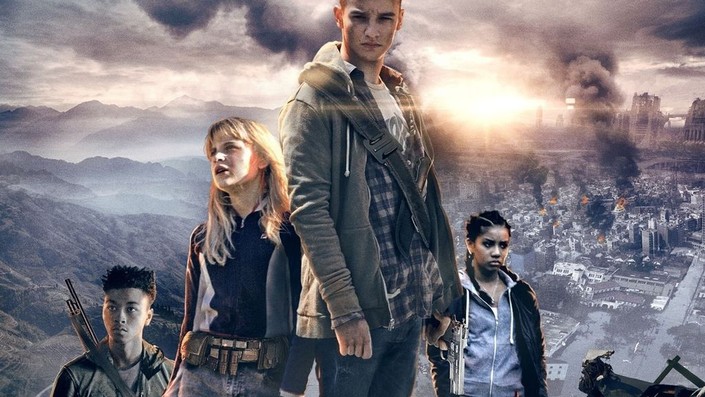
The tension builds as the group ventures beyond the facility and encounters the chaos left behind. Empty streets, destroyed homes, and violent attacks reveal the scale of the outbreak. The film blends horror with psychological struggle, highlighting fear, mistrust, and the moral choices the characters must face as they fight to stay alive.

Internal conflict becomes just as dangerous as the infected adults. The teens argue, panic, and question each other’s motives, reflecting how pressure can break even the strongest bonds. The threat of transformation hangs over them constantly, forcing them to confront how far they are willing to go to avoid becoming monsters themselves.
Don’t Grow Up uses its dystopian setting and coming-of-age themes to deliver chilling social commentary. The idea that adulthood brings violence and loss of self adds emotional depth to the story, making the horror more personal and symbolic. The film thrives on atmospheric tension rather than jump scares, creating a haunting sense of inevitability.