Frank Lucas steps out of legend and into a colder New York, where legacy is leverage and respect is algorithmic. Denzel Washington plays him like a man carrying a mausoleum—measured, unsentimental, quietly terrifying. He wants out; the city wants his name. When a crew of social-media-savvy predators starts trading on his myth, Frank is dragged back into a game that no longer believes in rules, only reach.

Washington is magnetic, all low heat and lethal patience. Opposite him, the upstart antagonist is a mirror with no past—hungry, frictionless, born trending. Their scenes crackle: wisdom vs. velocity. A weary detective threads the narrative with a moral barometer that never points true north, while survivors from Frank’s first life float in and out like ghosts asking for receipts.
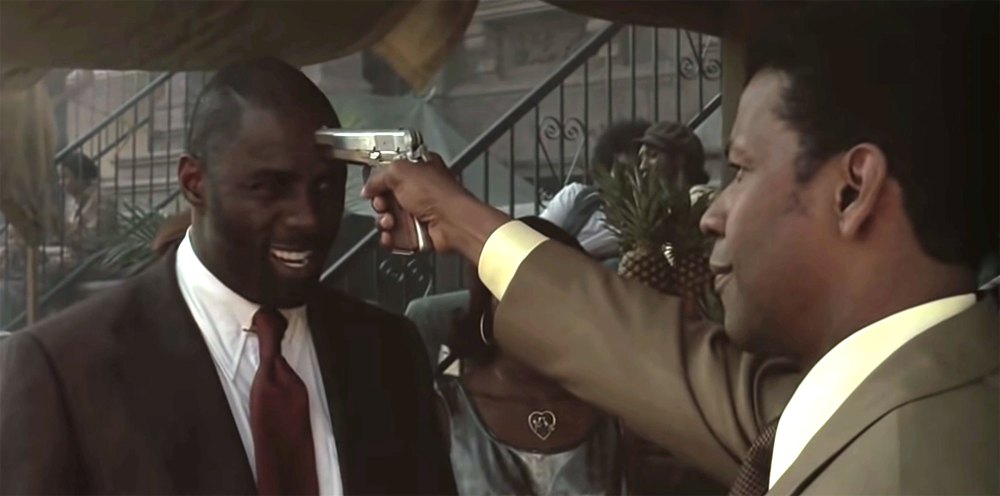
Craft is impeccable: wintry palettes, glass-and-concrete soundscapes, needle-drops that bruise. The camera lingers on small violences—contracts signed, phones unlocked, hands washed—until the big ones land like verdicts. Set pieces are precise, not loud: a wordless elevator showdown; a mid-bite restaurant parley that curdles into menace; a funeral where alliances change seats.
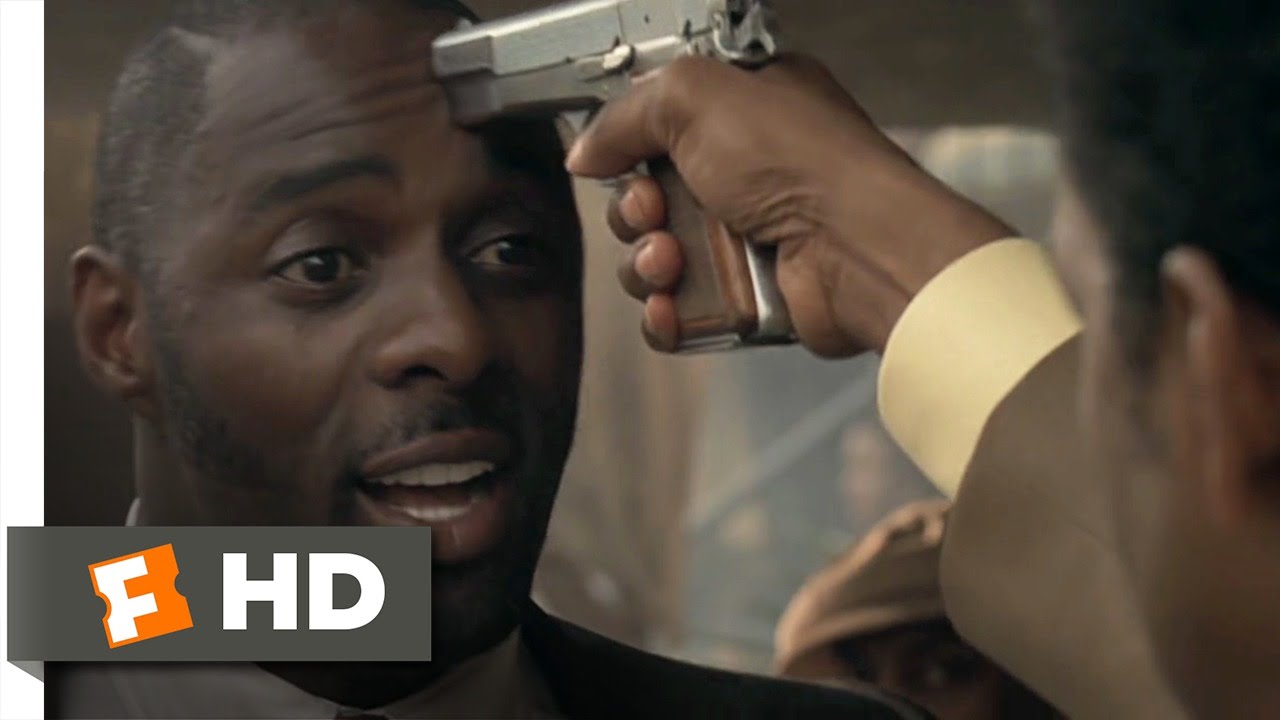
The soul of the film is reckoning. It refuses nostalgia, treating the first empire as both achievement and contagion. When Frank finally moves, it’s not to reclaim a throne but to close accounts—cleanly if possible, catastrophically if necessary. “You don’t retire from gravity,” he mutters, and the movie believes him.

The soul of the film is reckoning. It refuses nostalgia, treating the first empire as both achievement and contagion. When Frank finally moves, it’s not to reclaim a throne but to close accounts—cleanly if possible, catastrophically if necessary. “You don’t retire from gravity,” he mutters, and the movie believes him.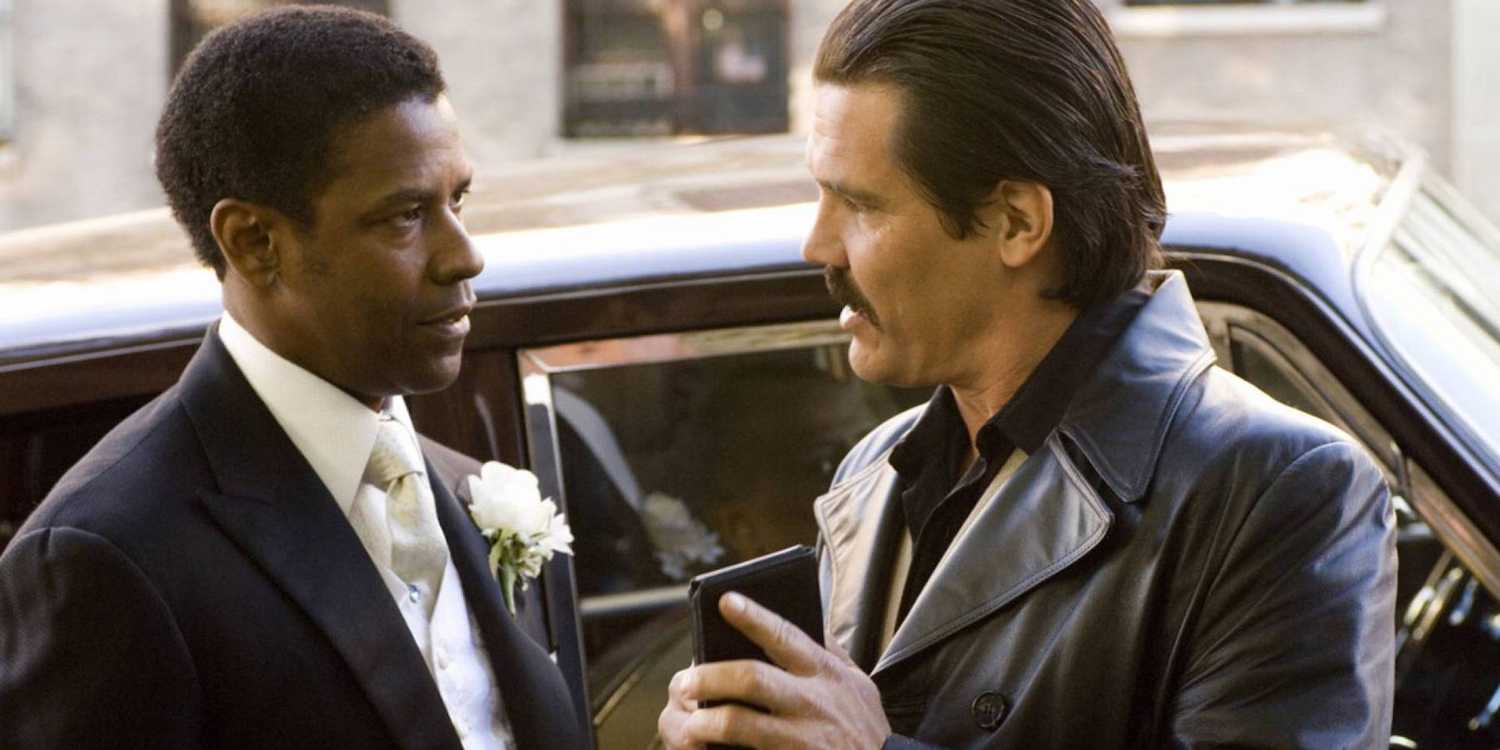
Verdict: moody, muscular, unflinching. Less rise-and-conquer, more legacy-and-cost—and stronger for it. If the original was about building a kingdom, this one charts the invoice. 8.4/10.