The Marlow Murder Club (2026) unfolds in the tranquil English riverside town of Marlow, a place known for manicured gardens, polite smiles, and the comforting illusion that nothing truly bad ever happens there. That illusion shatters when a brutal and seemingly impossible murder disrupts the town’s quiet rhythm. The crime is dismissed too quickly by authorities, prompting an unlikely trio of women—each overlooked in her own way—to begin investigating on their own. What starts as curiosity soon becomes obsession, drawing them into a mystery far darker than the town’s postcard-perfect surface suggests.
At the heart of the story are three women bound by intelligence, instinct, and a refusal to be underestimated. Judith, sharp-witted and fiercely independent, notices patterns others ignore. Suzie, practical and grounded, brings discipline and moral clarity. Becks, warm and socially connected, moves easily through Marlow’s polite circles, gathering secrets hidden behind friendly conversations. Together, they form an unconventional investigative unit, balancing wit, tension, and emotional depth as they test their partnership against mounting danger.

As the investigation deepens, Marlow reveals its true nature—a town built on long memories, buried resentments, and carefully maintained reputations. Each suspect is tied to another through old grievances, inheritance disputes, and unspoken betrayals. The women discover that the crime is not an isolated act, but the result of years of quiet compromise and moral decay. Every answer uncovers another question, forcing them to confront the uncomfortable reality that evil often hides behind civility.

The series blends classic British mystery with modern emotional stakes, favoring sharp dialogue and character-driven tension over spectacle. Clues are subtle, layered into everyday interactions rather than dramatic confrontations. Humor arises naturally from the trio’s contrasting personalities, offering relief without diminishing the seriousness of the crime. The show finds strength in its restraint, allowing atmosphere and intellect to drive suspense.
Beyond the central mystery, The Marlow Murder Club explores themes of aging, invisibility, and agency. Society’s tendency to dismiss women—especially older women—becomes the very reason the trio succeeds where others fail. Their age and experience give them perspective, patience, and insight that official investigators lack. The series reframes wisdom not as nostalgia, but as a powerful investigative tool sharpened by life experience.
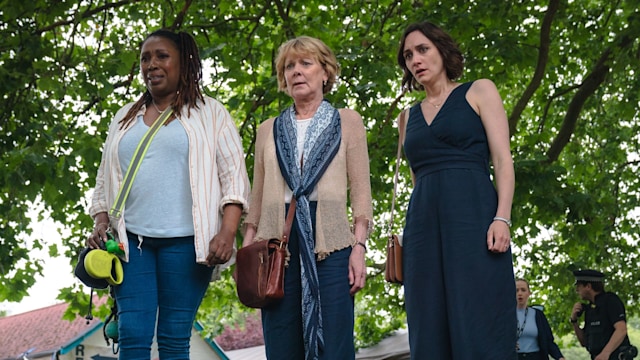
In its conclusion, The Marlow Murder Club (2026) delivers resolution without comfort. The truth is revealed, justice is served, but the town of Marlow can never fully return to innocence. The three women emerge changed—more confident, more bonded, and more aware of their own strength. What began as a single murder becomes the foundation of a partnership that refuses to fade quietly into the background, hinting that this is only the beginning of their story.